So, you’ve signed up for your child’s piano lessons, Yoo hoo!
You may have googled the piano teacher in your area, found one from the list of the piano teachers’ website, or was introduced to one by a mum friend. You and your child were both anxious but excited to attend the first lesson. Whether it be a studio in the middle of a busy town, or the teacher’s home, it is a whole new experience for you to meet someone at a new setting who you would be regularly meeting up for learning the piano.
The first few weeks or months may go smoothly while your child starts to play some simple tunes on the piano. This could be achieved even before they can read music; through memory and play based approach, and using the pre-staff music, children can learn to play some simple melodies that are fun and engaging.
But as time goes by, the child’s enthusiasm may slowly fade away. He may get assigned with more pieces to practice at home, the level of music becomes more challenging, especially when they get introduced with the musical alphabets and reading the notes. They may become resistant to practising at home, and in the lessons this is quickly noticed by the teacher who can become frustrated at having to teach the same thing again and again.
I still remember when I was 19, I went to the piano lesson on time and the student who was having a lesson before me – she was two years younger than me – was still sitting at the piano unhappily with her head down. My piano teacher, who was of calm and lovely nature, always so kind and encouraging, was so furiously telling the student off that day for not being able to see any improvement in her playing. She was very angry, and even though she couldn’t speak much English at the time, she was expressing her frustration through any possible English words she could find. The student’s father was sitting on the couch with arms crossed, quietly listening to everything. He seemed calm and almost seemed indifferent about her daughter getting scolded. It seemed that the father sympathised with the teacher at the time, having witnessed how her daughter did not practise regularly at home. It must have been miserable for that student having to be scolded for half an hour for not practising enough. But having heard a few stories about her not enjoying the piano and that she was half forced to be there, I felt so sorry for everyone in that room.
Forcing your child to attend piano lessons or to practice would never work positively. It will only bring resentment, and this could lead to a long-term battle between the parent and the child, and the piano teacher. Then how do we keep our children interested in learning the piano without having to push them, bribe them or shout at them “Because you have to!”?
1. Make your home a musical place
When your home is naturally a musical environment, it is so helpful for the child to grow as a musical child. When there are family members who are musical, i.e., mum, dad, or siblings who also play the piano or any other musical instruments, who regularly enjoys listening to music and talk about music, can help encourage your child greatly to stay in the game. The child will regularly see and hear other family member’s playing, see a brother or sister going off to rehearsals and taking part in the school orchestra. This will naturally help with encouragement and his own commitment. If you can play the piano yourself, play duets or accompaniment parts for him. Take time to listen to your child’s playing and offer praises.
What if no one in the family plays music? Then, you may help by regularly listening to music together, any style or genre, and talk about it. You don’t have to have the musical knowledge to analyse the music, but it can just be as simple as, “this is a nice song, it makes me feel calm and peaceful. How about you?”. You might help the child by playing the pre-recorded version of the music he is currently learning, so you get familiar with the piece, and he will play that piece more easily as his aural confidence grows.
2. Set a short but regular practice routine each day.
Regular practice routine is crucial for learning the piano or any other instruments. For young children, their ability to concentrate is not long. Set 10-20 minutes of play time each day, so that it becomes an everyday habit but not a chore.
3. Offer rewards to recognise effort
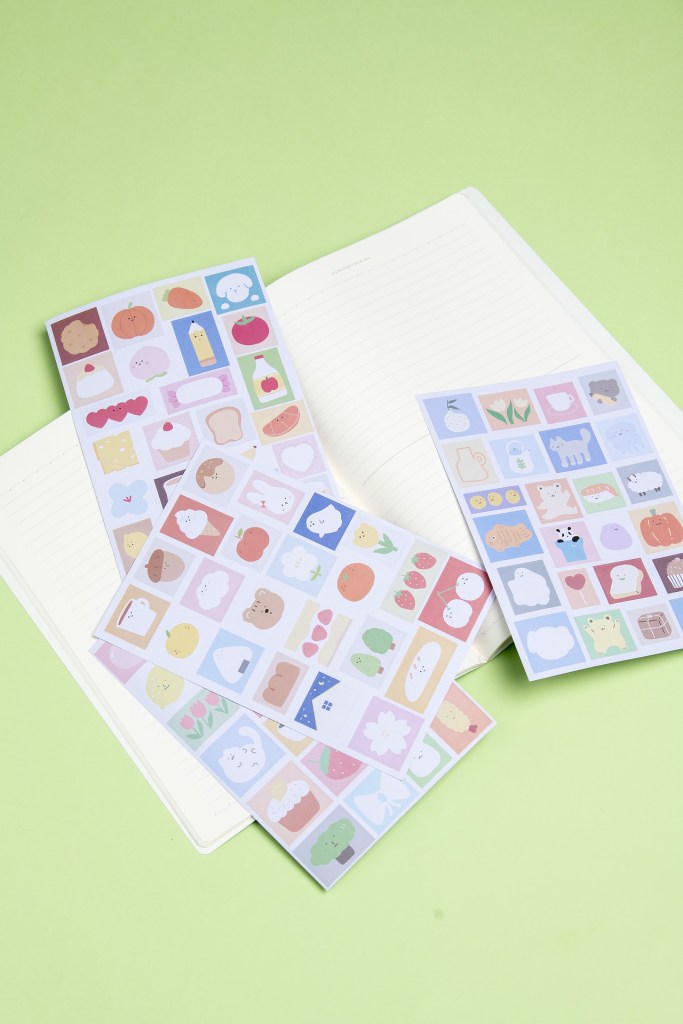
It doesn’t have to be the new set of Pokemon cards or a box of new Lego. You could set up a simple reward system such as giving a sticker when he has finished playing the piece 5 times each day, then when they have 7 stickers by the end of the week, you may offer a small treat. When they finish learning a book and ready for the next level, really make a big deal out of it and offer something a little more significant, so your child feels proud of their achievements.
4. Observe in the lessons, and talk to your piano teacher.
If you don’t have much musical background or knowledge about the piano, ask if you can sit in the lessons and observe. Some teachers maybe uncomfortable to have parents in the lessons, but I believe most teachers will happily let you sit in. Take notes what is being taught, and remind your child at practice time. If you cannot sit in the lessons, talk to your teacher regularly to check on your child’s progress, his attitude and focus level.
5. Set realistic goals and expectations
Just because he is learning the piano, it doesn’t mean he is going to become a concert pianist at age 10. Not every child has to take grade exams or perform at competitions. Each child has different musical abilities; some are just a bit more gifted than others, some may take a while to develop his musicality, or some may not naturally have ‘it’. If your child needs more time and help with learning, take it easy and be patient. Keeping his interests alive is the key to retain him.
Written by Vivian Koo
 Sparkle Music Studio